
A steam-heated process starts taking longer to reach temperature. Elsewhere on the same site, the condensate return line is hot even though production looks normal. Both observations can justify a steam trap check, but they point to different questions. Is condensate collecting upstream, or is live steam escaping into the return? Start with the equipment the trap serves and what it was doing when the symptom appeared.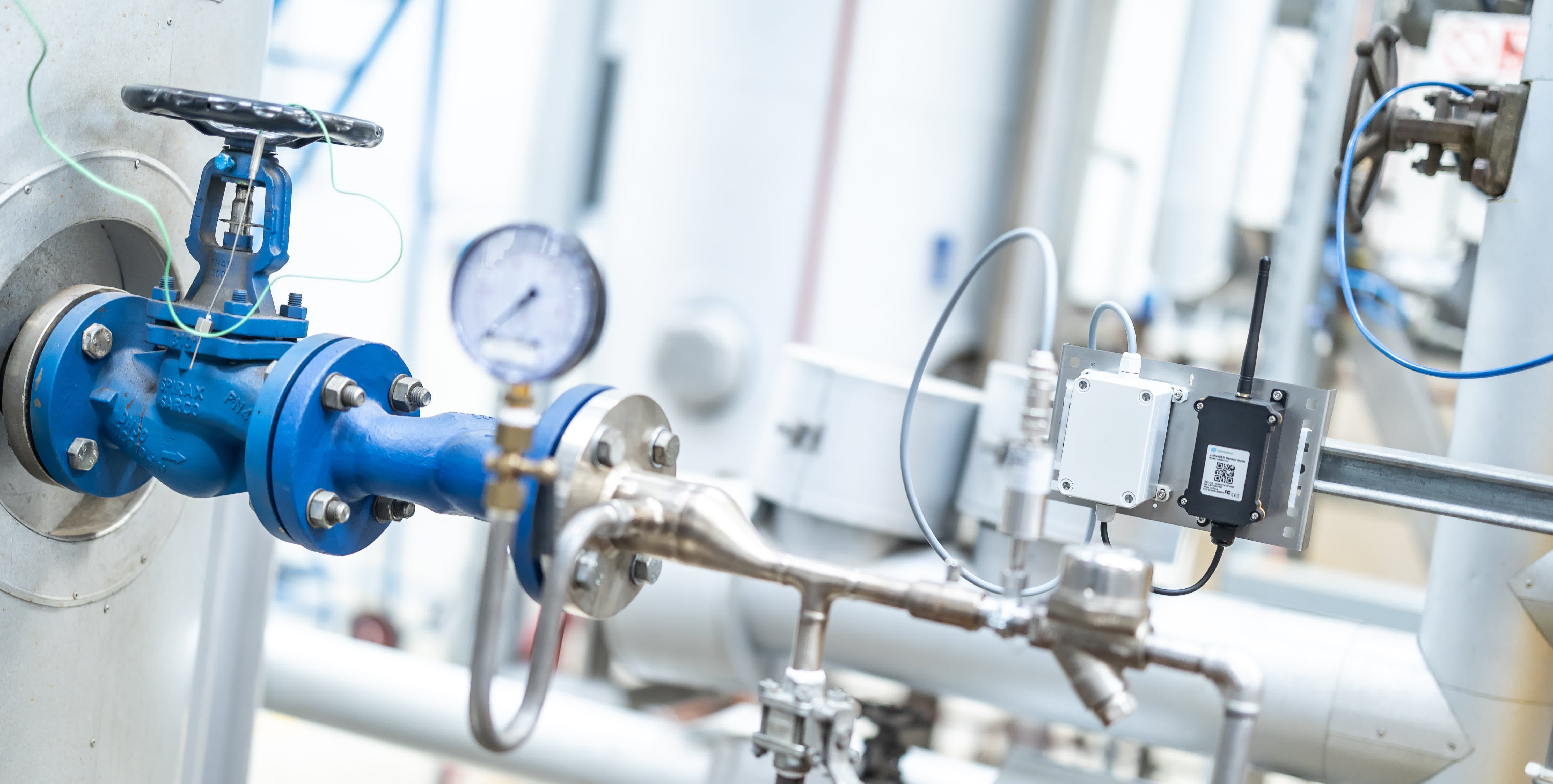
Use the symptom to guide the first check
| What you observe | What to investigate |
|---|---|
| Heat-up takes longer or the process temperature drops under load | Check whether condensate is draining from the equipment. A blocked trap, a blocked strainer or insufficient pressure difference across the drainage arrangement can all restrict flow. |
| A trap passes flow steadily when a discharge cycle is expected | Compare the sound and discharge pattern with the expected behaviour for that trap type and load. A trap that has failed open can pass live steam into the condensate return. |
| Vapour appears where hot condensate discharges to a lower pressure | Check whether the vapour is flash steam. Some hot condensate can re-evaporate as its pressure falls, so visible vapour alone cannot establish a leak. |
Interpret readings against the trap's operating conditions
A trap with a hot outlet may be working normally. Steam and condensate can be at similar temperatures under operating conditions, and a warm condensate return can affect the reading. A cool trap can also look the same whether it is blocked or serving equipment that has stopped calling for heat. Record the trap type, the operating state and the load alongside each observation.
The expected discharge pattern also varies by trap design. A trap designed to modulate can discharge condensate steadily under load. For a cycling design, compare the observed pattern with the expected cycle. A trained technician can use ultrasound alongside the operating observations. Flow noise from adjacent equipment and changes in condensate load affect what the technician hears. The steam trap testing and maintenance guide explains these diagnostic limits.
Separate a drainage problem from a steam loss
A trap that fails open can send live steam into the return while the process continues to run. Confirm the fault before estimating its energy impact. Base the estimate on the pressure conditions and the time the equipment operates. A trap that fails closed or cannot drain can leave condensate in the equipment. On a heat exchanger, this can reduce heat transfer and extend heat-up time. On steam distribution pipework, accumulated condensate can contribute to water hammer.
If the trap checks out but its equipment still struggles under load, investigate the drainage arrangement. The pressure in the condensate return matters, particularly on temperature-controlled equipment where the upstream steam pressure can fall as the control valve closes. A healthy trap still needs sufficient pressure difference to discharge to the return.
Use the findings to prioritise the next survey
Record the asset served, trap type, load, observations and confirmed fault for each item in the survey. Prioritise poor drainage on equipment critical to production and confirmed steam losses on equipment that runs for long periods. Recheck the repair under comparable operating conditions. For critical or hard-to-access traps, continuous steam trap monitoring can help flag changes between surveys.
Related reading on the observed effects of trap failure is available in the Spirax Sarco UK article on steam trap failures.